Why Shade Varies in Coloured PP and How to Keep It Consistent
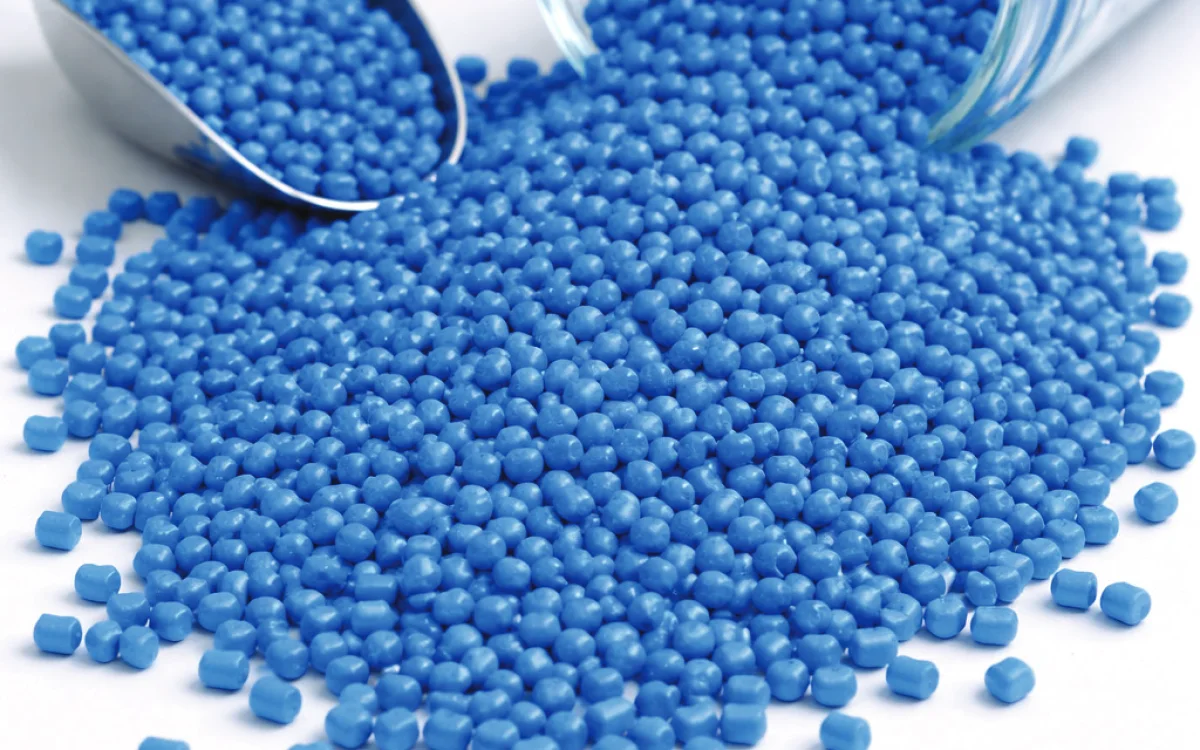
A part that is slightly the wrong shade is still a rejected part. Most colour drift in polypropylene moulding comes from a short list of causes, and most of them can be controlled.
Where variation comes from
- Different batches in one job. Two batches of the same grade can differ slightly. Mixing them mid-run shows up as a visible step in shade.
- Heat history. Higher barrel temperatures and long residence times darken or yellow a colour, especially light shades.
- Regrind ratio. Every pass through the machine changes the colour a little. A changing proportion of regrind means a changing shade.
- Contamination. Traces of the previous colour left in the barrel, hopper or dryer tint the next job.
- Moisture. Surface moisture causes streaks that read as colour variation.
Habits that keep shade steady
- Run each job from one batch where you can, and keep a retained sample of every batch.
- Fix your temperature profile and cycle time for the job and record them.
- Keep the regrind percentage constant, not occasional.
- Purge properly between colours, light to dark where possible.
- Judge colour against a master sample under the same light every time.
What the supplier should do
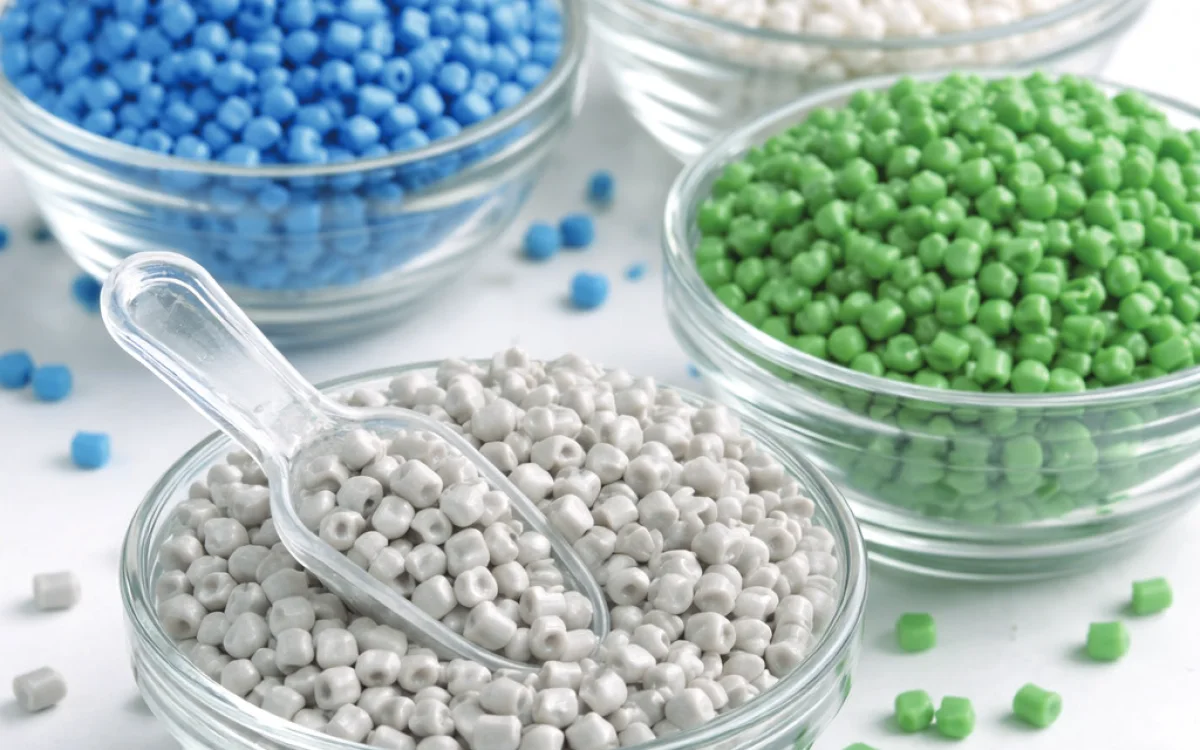
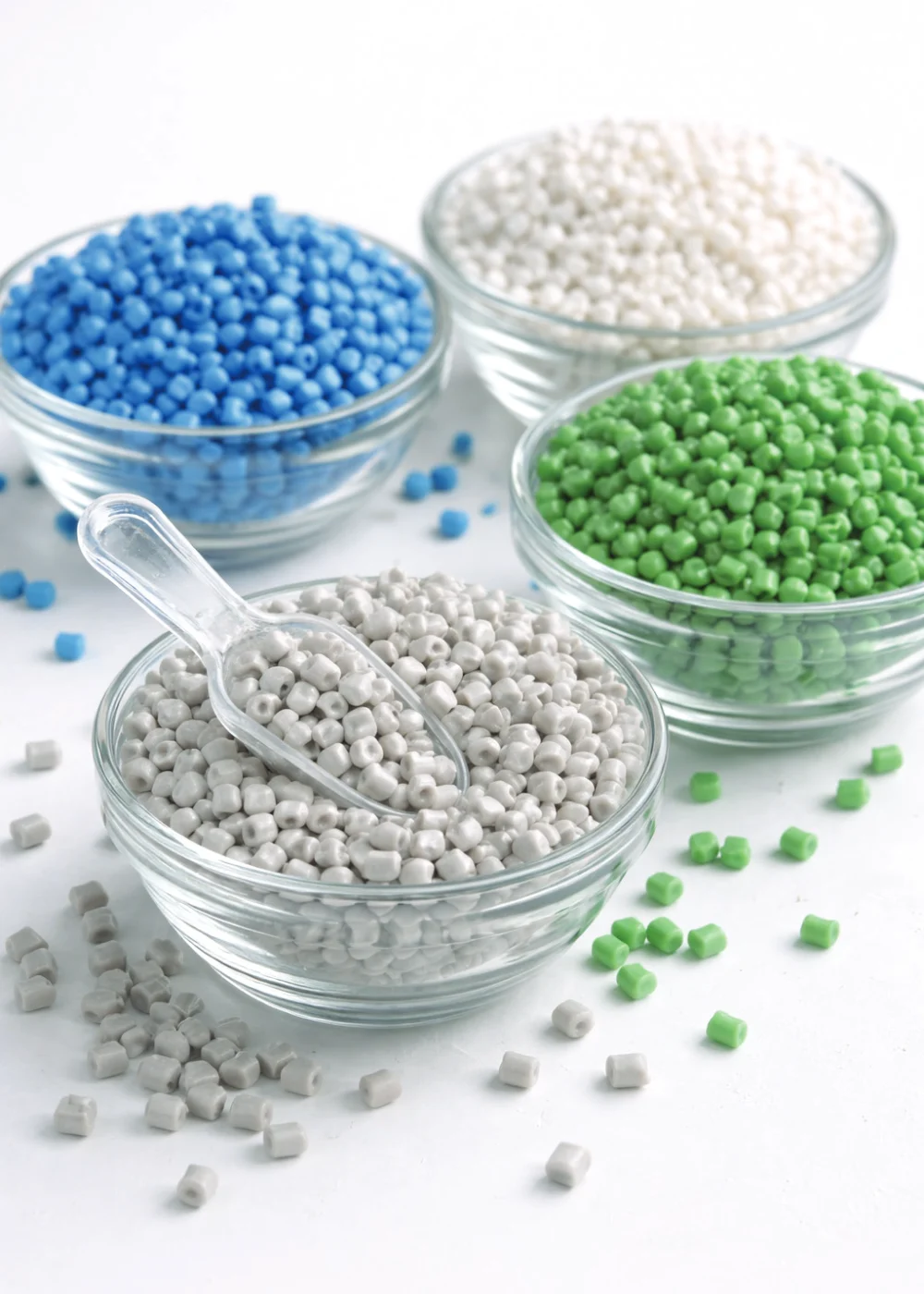
Consistency starts with the granules. Colour ranges should be produced for uniform shade reproduction across batches, and every batch should be inspected before it ships. At Markandey Polymers a visual quality and contamination check is part of the in-house testing on every batch, alongside MFI, density, moisture, elongation and Izod impact strength.
If you are chasing a shade problem, send us the part and the grade you are running. It is usually quicker to solve together.