PP Regrind vs Reprocessed PP Granules: What Is the Difference?
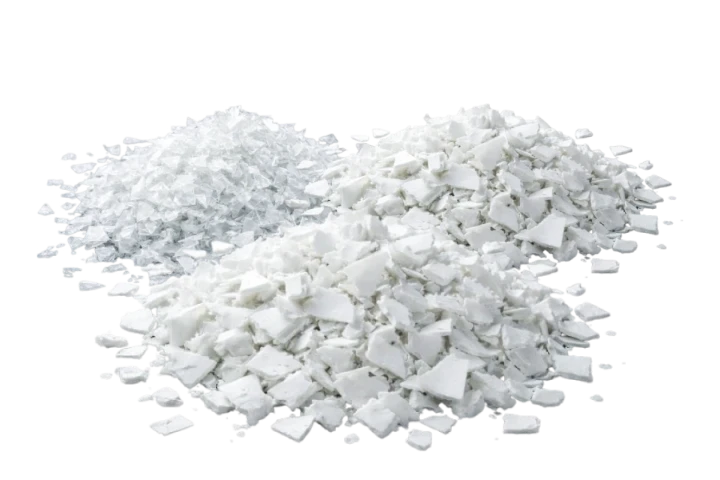
Reprocessed PP granules is the name for all used polypropylene that has been processed back into granules. PP regrind is one grade class inside that family: the cost-effective end, made for functional parts and for blending with another grade. Every granule we make is reprocessed, so the real choice on a quote is between a regrind grade and a fuller grade such as natural or milky.
What are reprocessed PP granules?
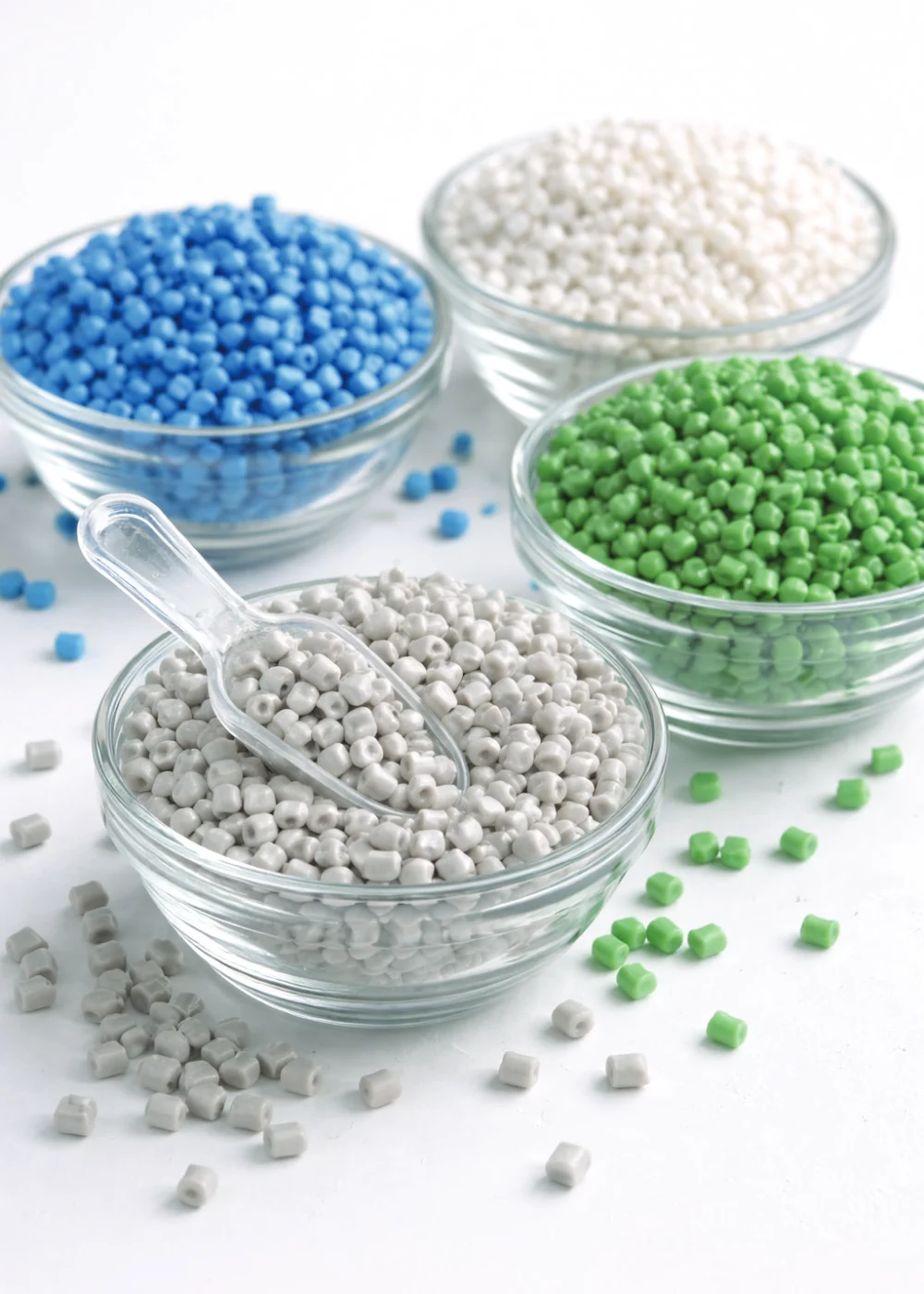
Reprocessed PP granules, recycled PP granules, recycled PP pellets and reprocessed PP dana all describe the same material. At our plant in DSIIDC Narela, Delhi, used polypropylene is sorted by grade and colour, washed, shredded, then melted and extruded into uniform granules. Each batch is then lab tested before dispatch. More on our reprocessed PP granules page.
What is PP regrind?
Our PP regrind range has three grades, all classed as Standard Regrind Grade:
| Grade | Polymer | Appearance |
|---|---|---|
| Milky Regrinds | Polypropylene based (PP / PPCP) | Milky white |
| Natural CP Regrinds | PP copolymer (PPCP) | Natural translucent |
| Random GR | Polypropylene based (PP / PPCP) | Mixed natural |
The grade pages list the form as "Regrind", where grades in other ranges, such as MPP 16, list "Granules". Regrind grades are built for jobs where function and cost lead and the visual standard is practical rather than premium.
How does polypropylene regrind compare with other reprocessed grades?
| Point | Regrind | Natural | Milky |
|---|---|---|---|
| Grade class | Standard Regrind Grade | Premium Transparency Grade | Milky White Grade |
| Appearance | Milky white, natural translucent or mixed natural | Water-clear to warm amber | Bright white to warmer off-white |
| Typical uses | Cost-sensitive mouldings, blending, functional and utility parts | Clear and translucent mouldings, housewares, caps and closures | Clean white products, containers, caps and closures |
| Lab checks per batch | Six | Six | Six |
The six checks are the same on every range: melt flow index, density, moisture, a visual and contamination check, elongation and Izod impact strength. So regrind is not the untested option. The difference is the visual standard and the job the part has to do.
Why do buyers mix up regrind and reprocessed?
In the market the two words are often used for the same bag. Reprocessed describes how the material was made. Regrind, on our catalogue, describes a grade class within it. When a quote just says "PP regrind", ask:
- Which range and grade name is it?
- Is the polymer PP or PPCP? CP grades are copolymer, generally chosen where a part needs better impact strength.
- What is the appearance: milky, natural or mixed?
- Can you see the test values for the current batch?
When should you choose regrind over a fuller grade?
- Choose regrind for functional and utility parts, cost-sensitive mouldings, or to blend with another grade and bring material cost down.
- Choose natural, milky or colour when the part is visible. Those ranges are made for visible mouldings.
- Choose Natural CP Regrinds when you want a regrind grade in copolymer.
- Choose virgin PP for food-contact or medical parts that need certified virgin material. We make only recycled grades, as our virgin vs recycled PP guide explains.
If a regrind part needs a cleaner white, ask about MPP 16, one of the milky grades listed as close in shade to Milky Regrinds.
How do you get a regrind sample?
Share your application, moulding process and monthly requirement. We confirm availability and the current batch details, and send a sample for your trial before a full order, with dispatch from Delhi. Judge the granule form on the sample too. See how we test, or our overview of PP granule types.