24 Oct 2026
Virgin vs Recycled PP Granules: Which One Should You Buy?
Every moulder buying polypropylene faces the same choice sooner or later: virgin PP granules or recycled ones. Neither is better for every job. The right answer depends on what the part has to do, what it has to look like and what it has to cost.
What virgin PP granules are
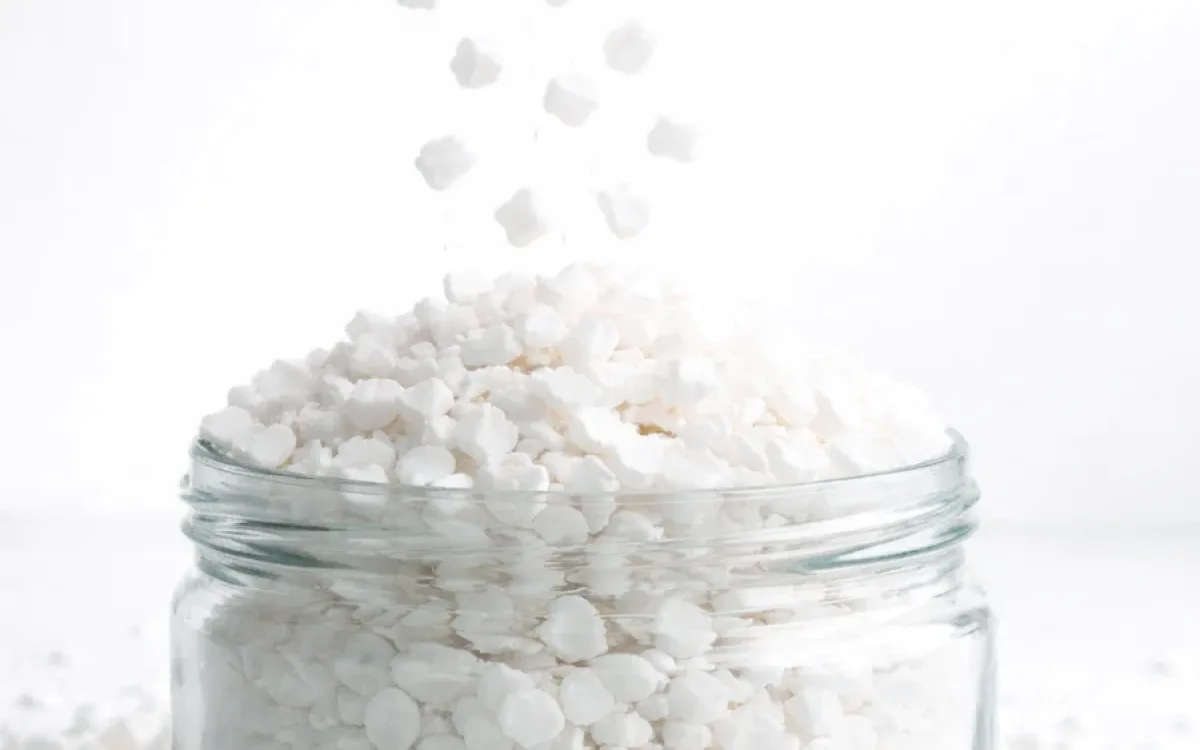
Virgin, or fresh, PP granules come straight from a petrochemical plant, made from new propylene. They have not been used before, so their properties are tightly controlled and listed on the producer's data sheet.
What recycled PP granules are
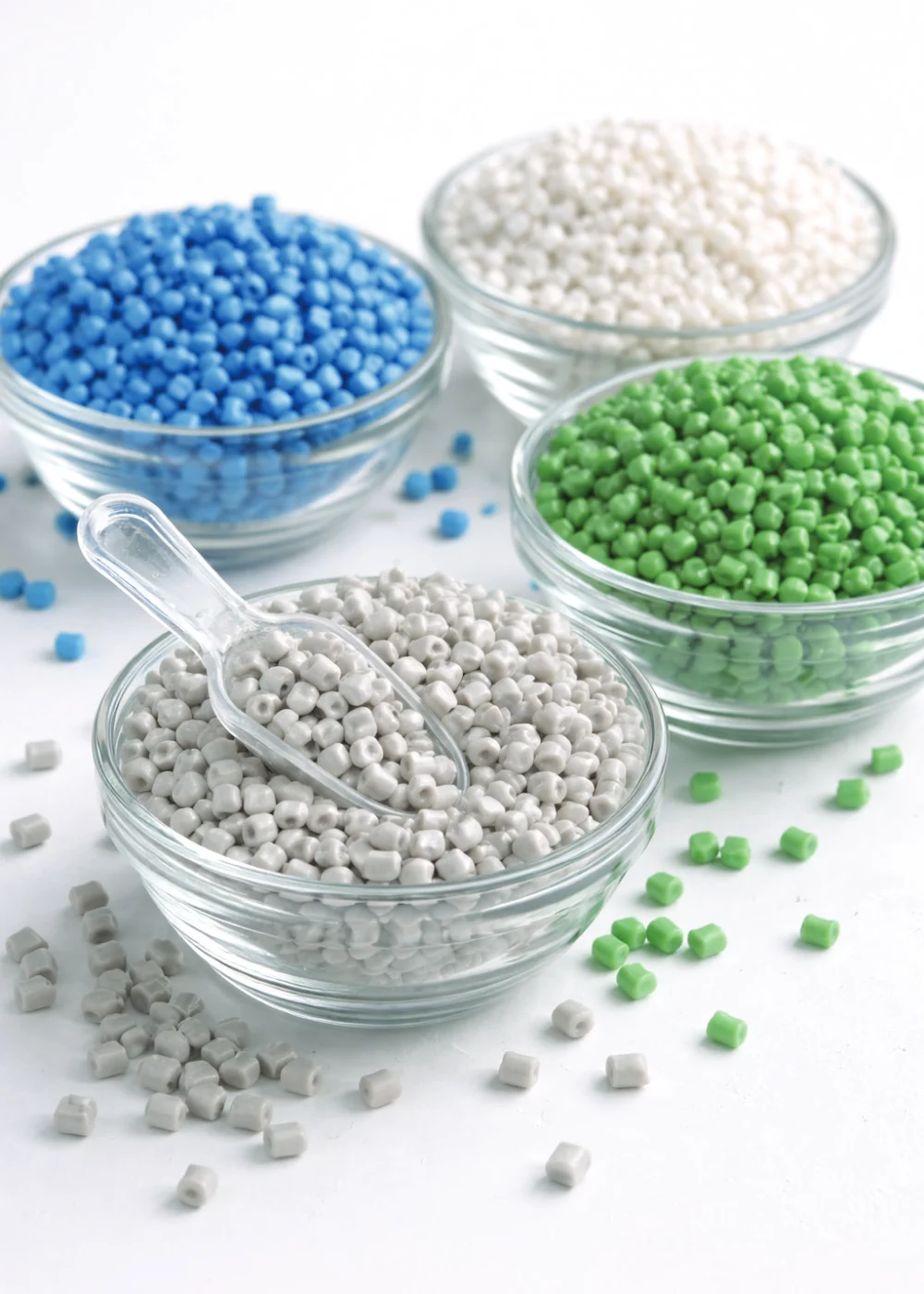
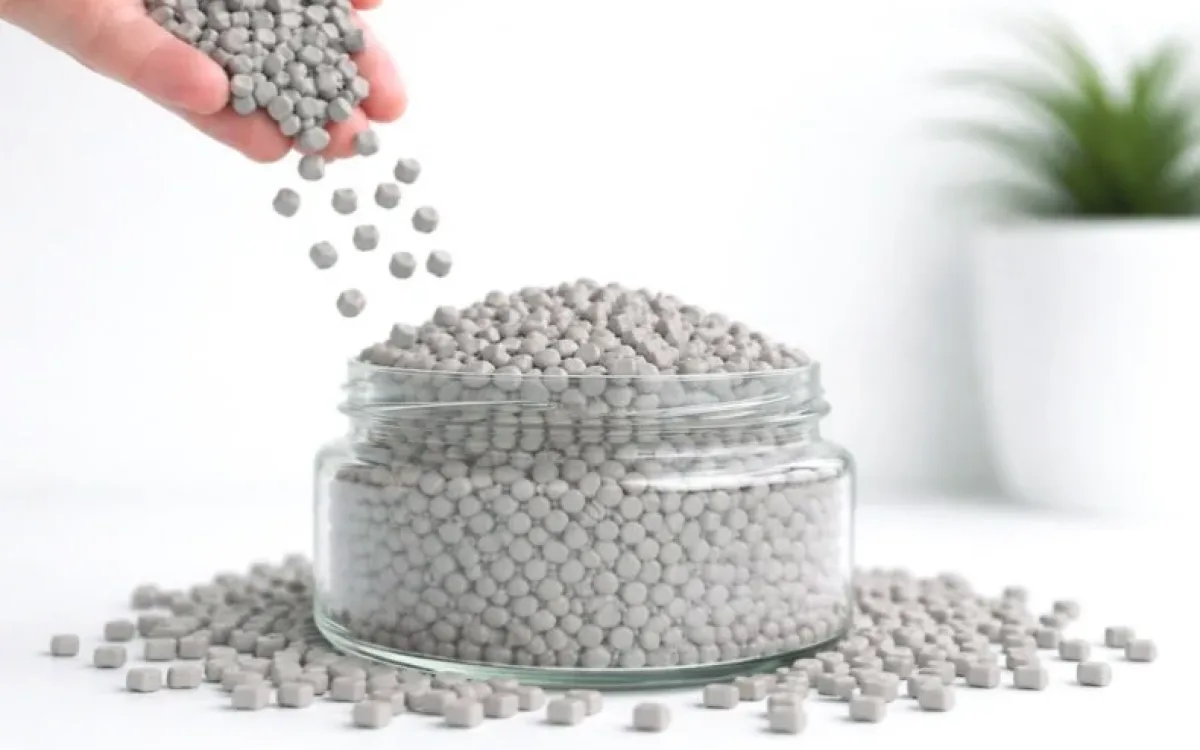
Recycled PP granules, also called reprocessed PP granules, are made from polypropylene that has already been used once. The material is sorted by grade and colour, washed, shredded, melted and extruded back into uniform granules. How well that is done decides how good the granules are.
How they compare
- Cost. Recycled granules usually cost less than virgin material, which is the main reason most moulders use them.
- Consistency. Virgin PP varies very little from bag to bag. Recycled PP varies more, because the input material varies, so batch testing matters much more.
- Appearance. Virgin PP gives the cleanest natural colour. Recycled material can carry slight shade differences or specks, although well-sorted natural and colour grades come close.
- Properties. Reprocessing can lower impact strength and change the melt flow, so the grade should be matched to the part rather than assumed.
- Footprint. Recycled granules keep plastic in use and help products with a recycled-content target.
When to use virgin PP
- Food-contact and medical parts that need certified virgin material
- Parts that need a guaranteed, data-sheet level of performance
- High-strength tape and fibre, such as FIBC bags
When recycled PP is the smarter buy
- Crates, bins, buckets and containers for industrial use
- Furniture, household items and utility mouldings
- Automotive and appliance parts that are not safety-critical
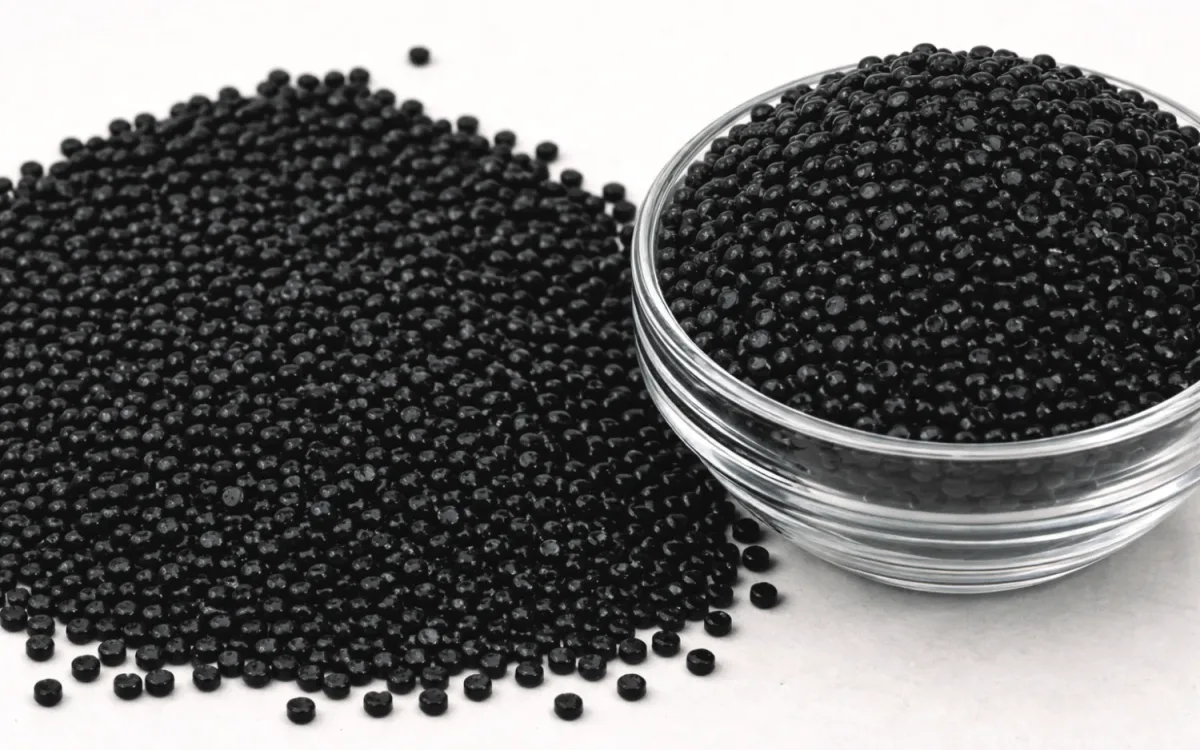
- Coloured or black parts where small shade variation does not matter
- Blending with virgin material to bring cost down
How to judge recycled PP granules
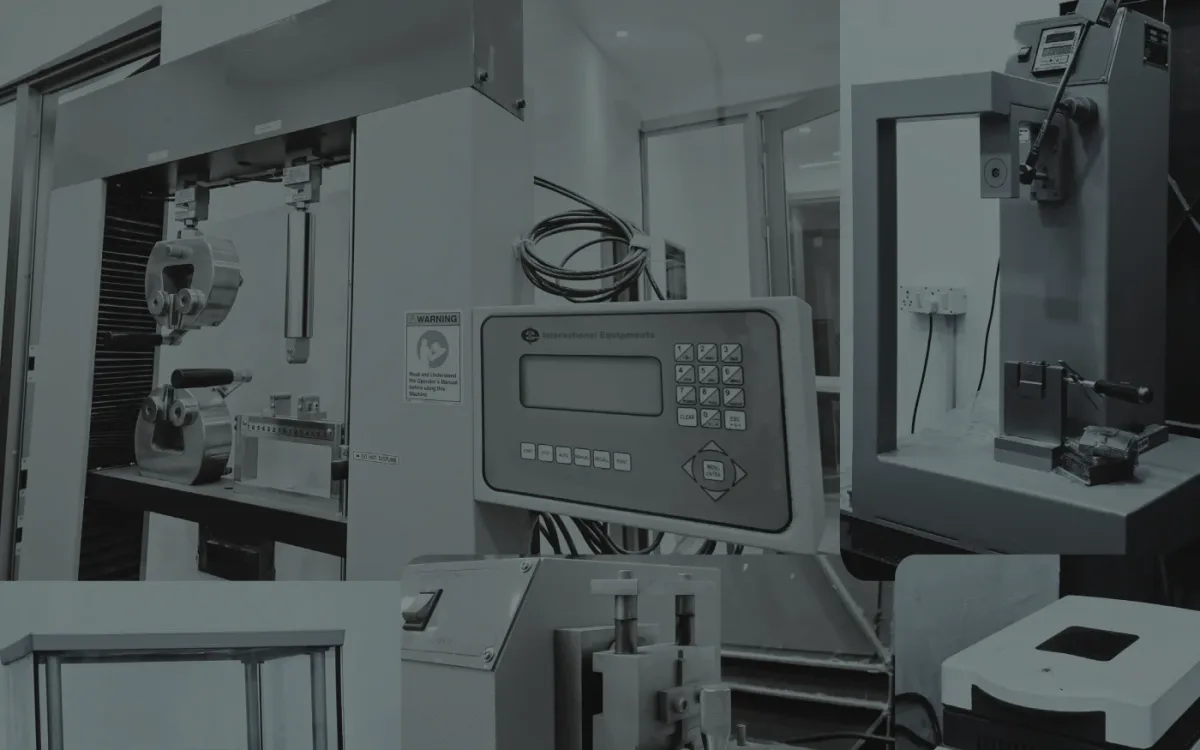
- Ask for a test report on every batch: melt flow index, density and moisture at the least.
- Check for contamination and gels, which cause defects and weak spots.
- Check that the MFI stays steady from one batch to the next.
- Look for certified recycled content, such as GRS, if your customer asks for it.
- Run a sample on your own machine before a full order.
Our guide to reading a granule test report explains what those numbers mean.
Recycled PP granules from Markandey Polymers
We make recycled PP and PPCP granules at our own plant in Narela, Delhi, in natural, milky, colour, black, grey, metallic and regrind grades. Every batch passes six checks in our lab, from melt flow index to Izod impact strength, and we are GRS certified for our recycled content. Ask for a sample.