24 Oct 2026
PP Raffia Granules: What They Are and How to Choose the Right Grade
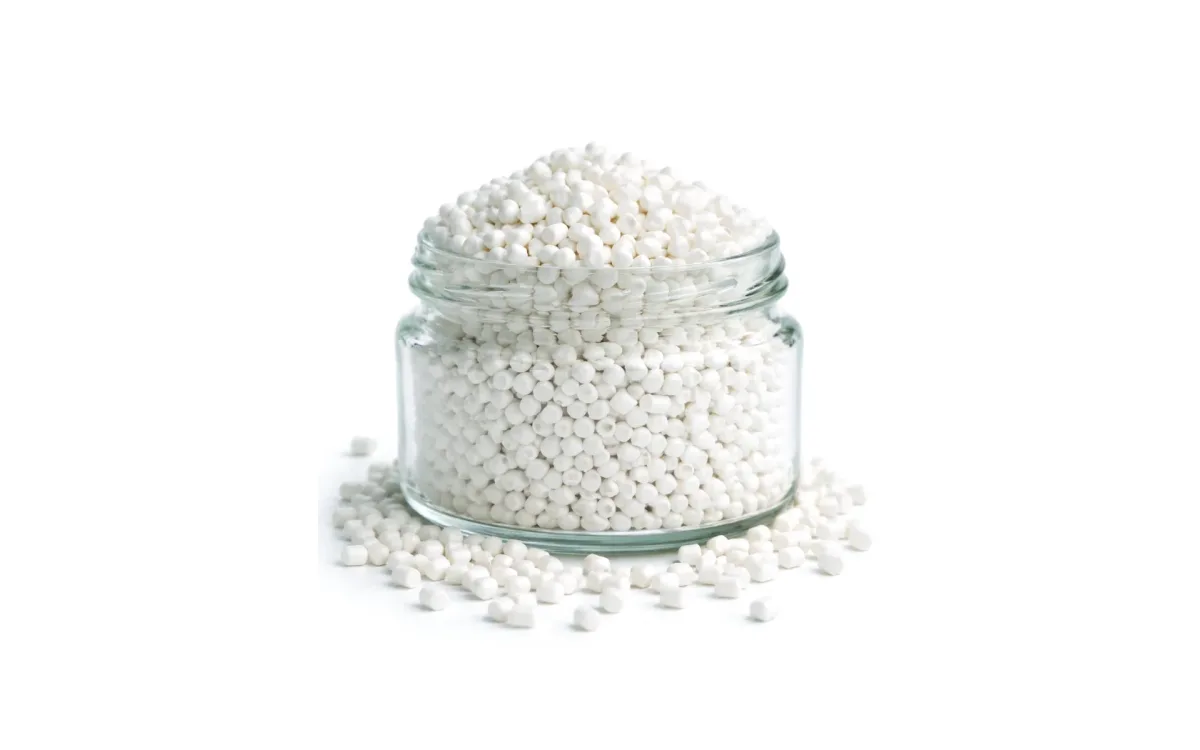
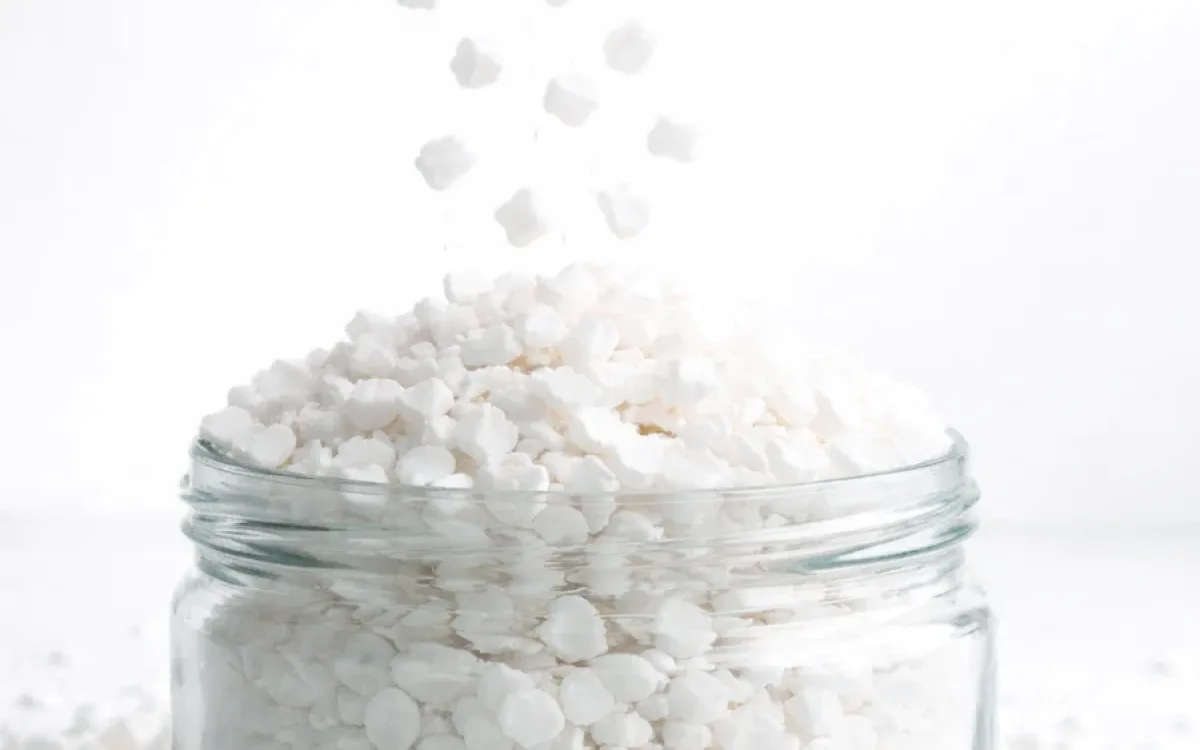
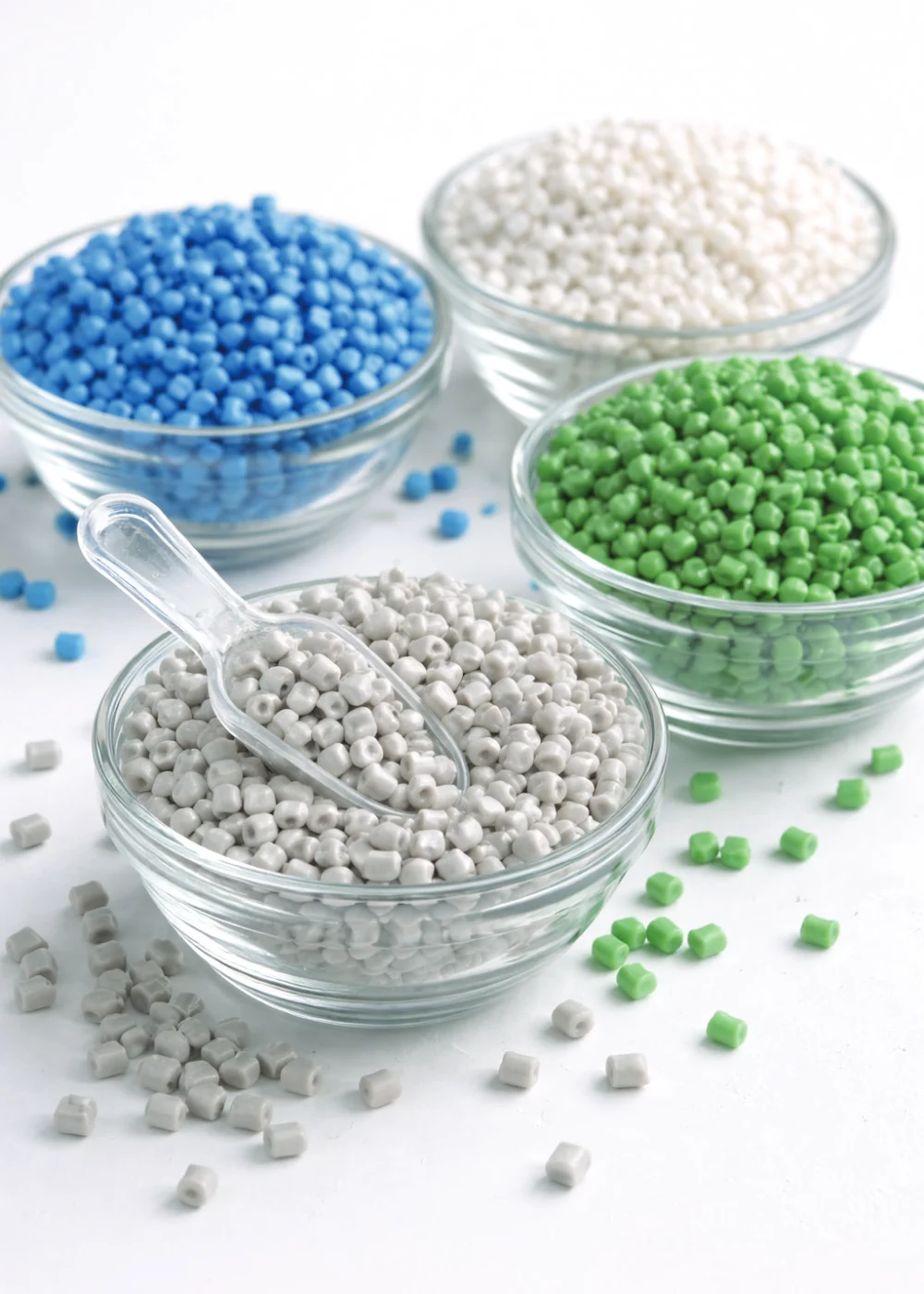
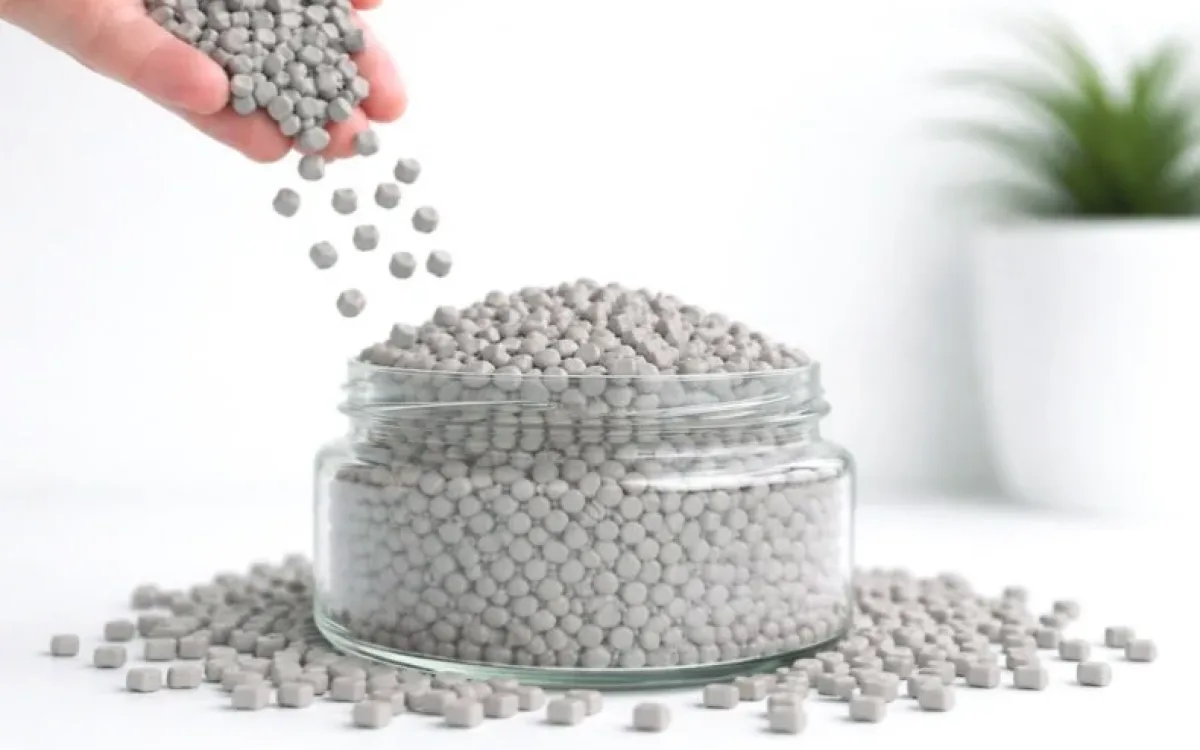
Raffia is the trade name for the flat polypropylene tapes that are woven into sacks, bags and fabric. PP raffia granules, often called raffia grade PP dana, are the granules those tapes are extruded from. If you run a tape line or buy woven sacks, the grade of granule you feed decides how often tapes break on the line and how strong the finished bag is.
How raffia tape is made
On a tape line, PP raffia granules are melted and extruded into a thin film, cooled, then slit into narrow tapes. The tapes are heated and stretched several times their length, which lines up the polymer chains and gives the tape its strength. After annealing and winding, the tapes go to circular or flat looms and are woven into fabric, which is then cut, printed, laminated or stitched into the final product.
The stretching step is the reason raffia is demanding on its raw material. A tape is pulled hard while it is hot, so any weak point in it, such as a speck of contamination, a gel or a bubble of moisture, is where it snaps.
What makes a granule raffia grade
- Polypropylene homopolymer. Raffia tapes are normally made from PP homopolymer, which gives the stiffness and tensile strength a woven bag needs. Copolymer is tougher on impact but is not the usual choice for tape.
- A low melt flow index. Raffia grades usually sit at a low MFI, commonly around 2 to 4 g/10 min at 230 °C and 2.16 kg. Always match the window your line is set up for.
- A steady MFI from batch to batch. A line tuned for one MFI starts breaking tapes when the next batch flows differently, even if both are inside the specification.
- Low moisture. Moisture turns to steam in the melt and leaves voids in the film, which become breaks during stretching.
- Clean material. Contamination and gels are the most common cause of tape breaks, so a raffia grade has to be clean.
Not sure how to read these numbers on a test report? Our guide to reading a granule test report explains MFI, density and moisture in plain terms.
Where PP raffia goes
- Woven sacks for cement, fertiliser, grain, sugar and animal feed
- FIBC jumbo bags for bulk material
- Tarpaulin and laminated woven fabric
- Rope and twine
- Woven fabric for packaging and agriculture
Products that stay outdoors, such as tarpaulin, usually need a UV stabiliser in the tape, and many sack makers add filler or colour masterbatch on the line. Plan the base granule with those additions in mind.
Fresh or recycled granules for raffia?
High-strength tapes, such as those for FIBC bags, are usually run on fresh homopolymer. For sacks with lower strength needs, many producers blend in recycled PP granules to bring material cost down. If you do, start with a small share, keep the MFI of the blend inside your line's window, and test the tape for tenacity and elongation before you raise the share. Clean, well-sorted recycled material makes all the difference here. You can read how we make our recycled PP granules.
A checklist before you buy PP raffia granules
- Is it homopolymer, and is the MFI inside your line's window?
- How much does the MFI vary from batch to batch?
- Is moisture checked before dispatch?
- Is every batch checked for contamination?
- Does every batch come with a test report?
- Can you run a sample on your own line before a full order?
Talk to us about your raffia line
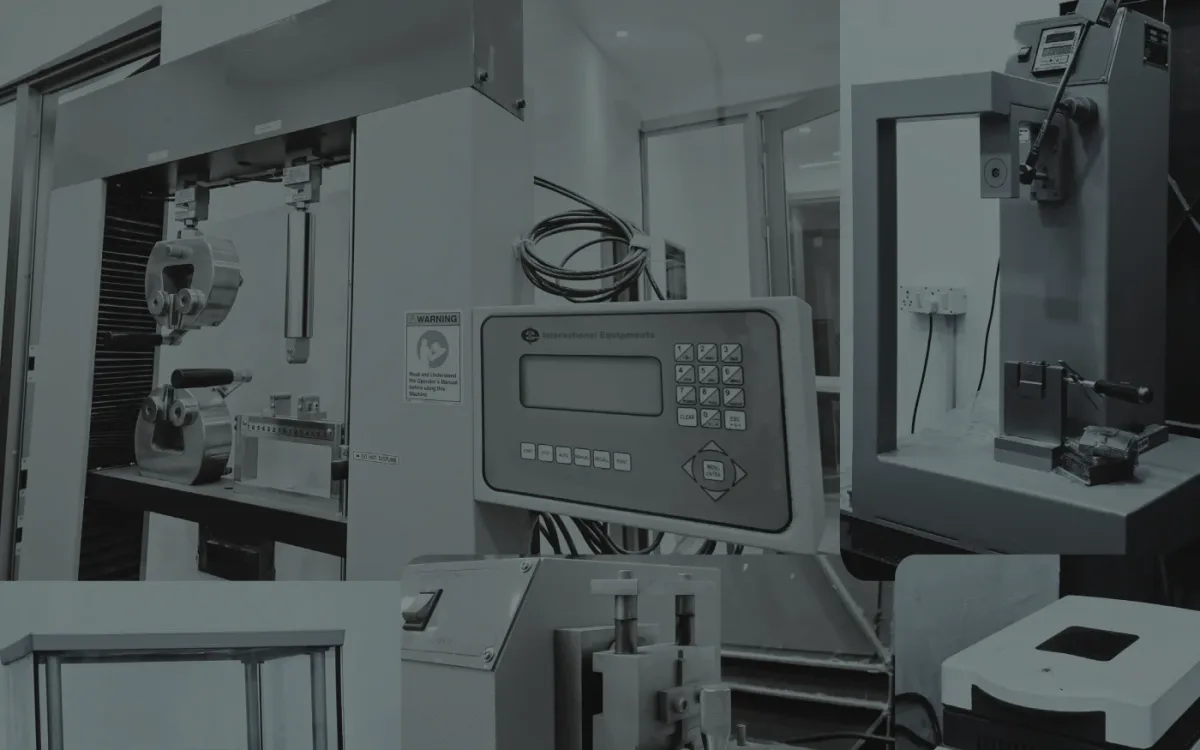
Markandey Polymers manufactures PP and PPCP granules in Delhi and tests every batch in our own lab for melt flow index, density, moisture, contamination, elongation and Izod impact strength. If you run a raffia or woven sack line, send us your MFI window and the product you make. We will tell you whether one of our natural PP grades fits, or whether we can develop a grade for you, and send a sample to trial. Ask for a quote.