PP vs HDPE: Differences, Uses and How to Choose
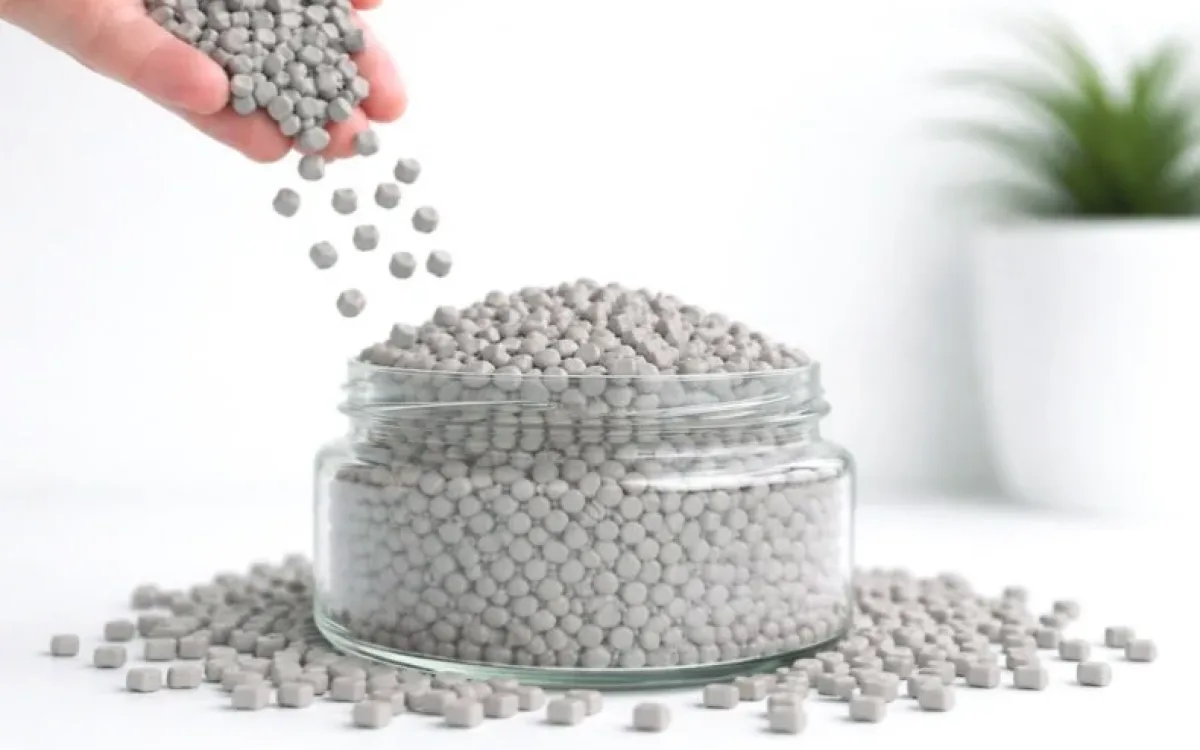
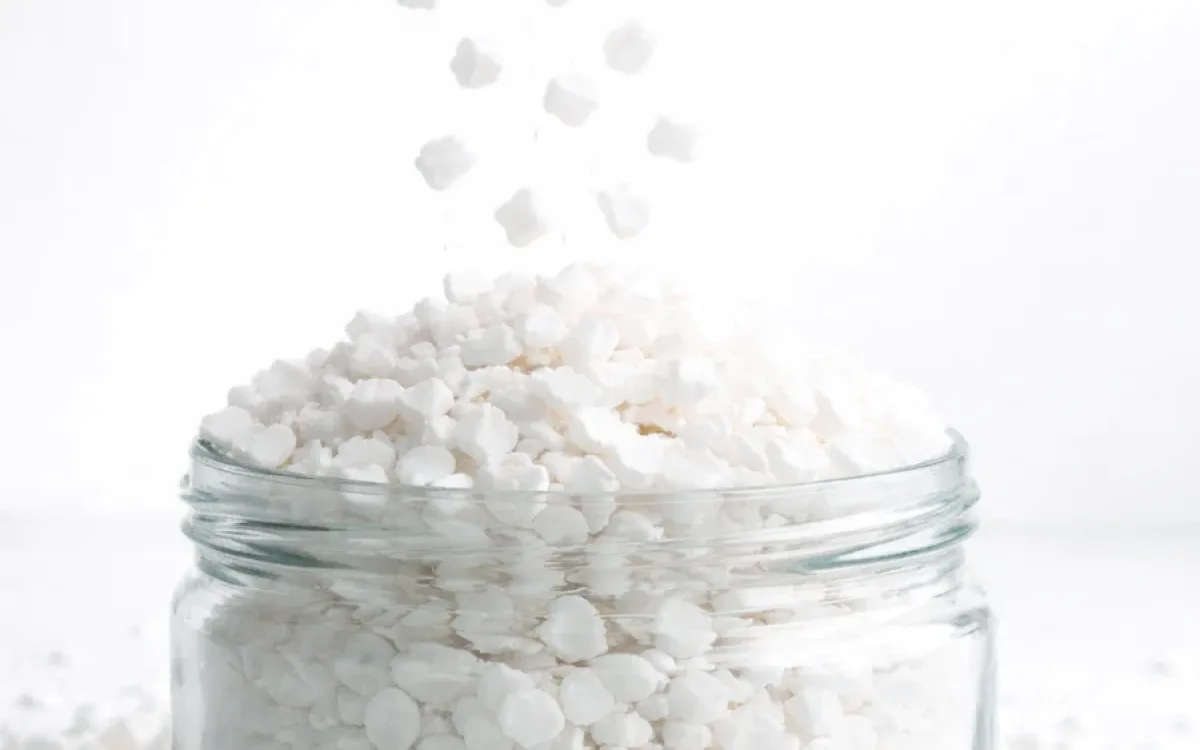
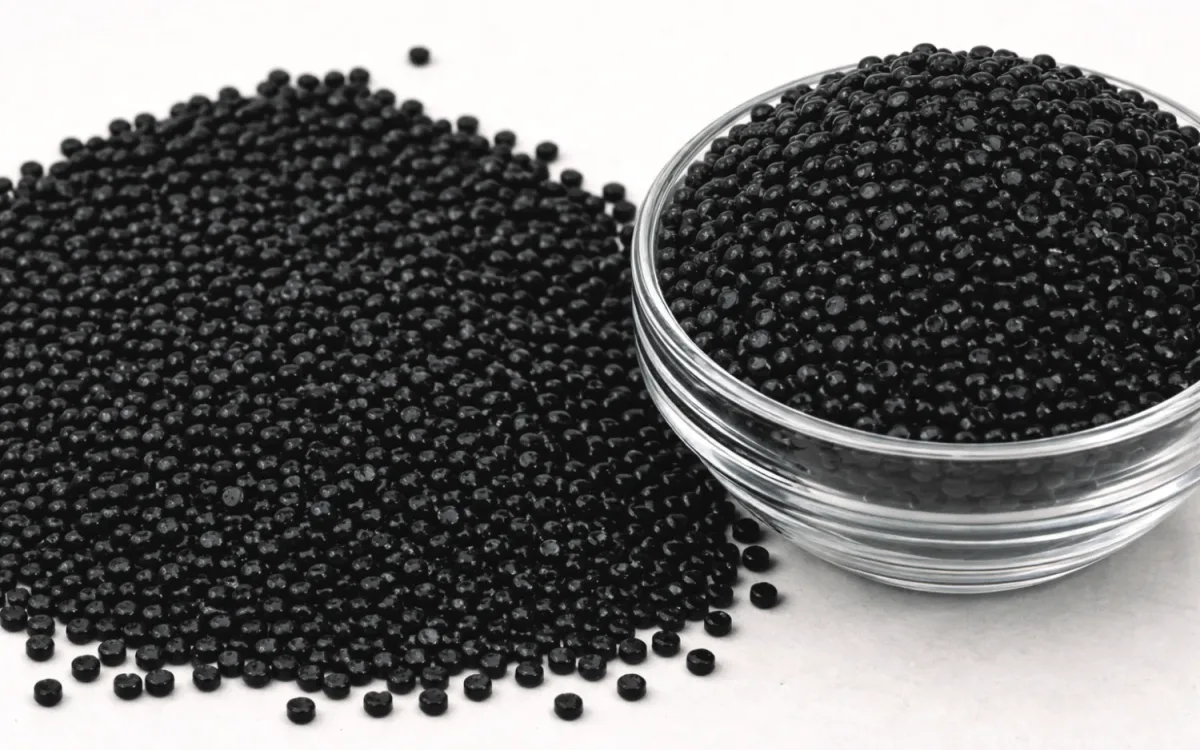
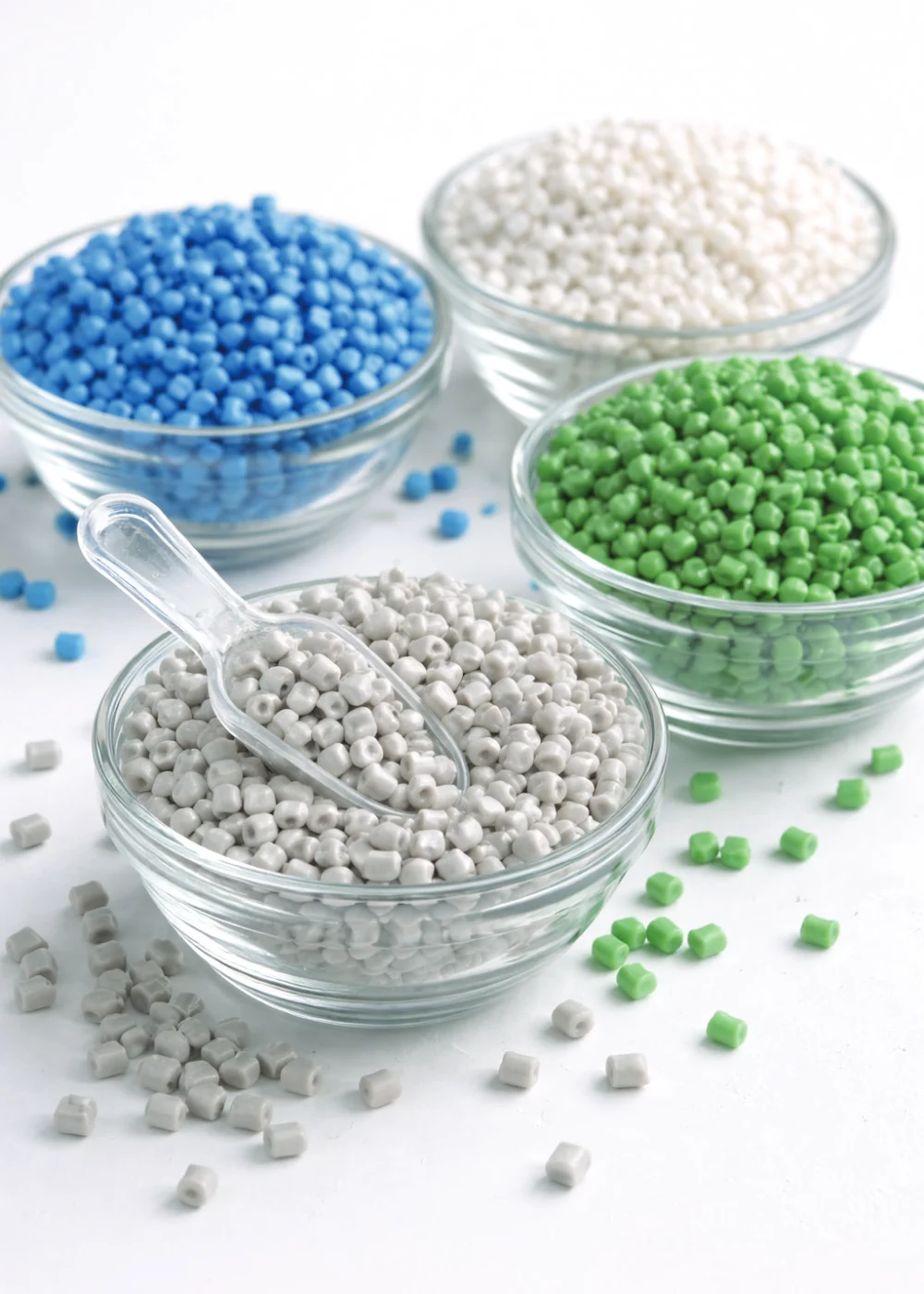
Polypropylene (PP) and high-density polyethylene (HDPE) are the two most common plastics in everyday moulded products. Both are light, tough and resistant to most chemicals, and the granules look much the same in the bag. They are not interchangeable, though. Here is how they differ and how to choose.
Density
PP is the lighter of the two, at about 0.90 to 0.91 g/cm³, while HDPE is about 0.94 to 0.97 g/cm³. For the same part, PP gives slightly more parts per kilogram of material.
Stiffness and strength
PP is generally stiffer and harder, so it holds its shape under load and gives a firmer surface. HDPE is softer and more flexible, and it is very hard to crack.
Heat resistance
PP melts at around 160 to 165 °C, compared with about 130 to 135 °C for HDPE. That makes PP the better choice for parts that see hot water, hot fill or steam.
Impact in the cold
This is where HDPE wins. It stays tough well below freezing, while PP homopolymer can become brittle in the cold. PP copolymer (PPCP) closes much of that gap, which is why it is used for crates and buckets.
Hinges and repeated bending
PP is known for its fatigue resistance. A thin section of PP can be bent thousands of times without breaking, which is why flip-top caps use built-in PP hinges.
Typical uses
- PP: caps and closures, containers and buckets, crates, plastic furniture, automotive and appliance parts, raffia sacks and housewares.
- HDPE: milk and oil bottles, jerry cans and drums, pipes, chemical tanks and carry-bag film.
A simple way to choose
- Needs stiffness, heat resistance or a living hinge: choose PP.
- Needs toughness in deep cold, or is a bottle, drum or pipe: HDPE is often the better fit.
- Needs PP's stiffness with better impact strength: choose PPCP.
Can PP and HDPE be mixed?
They do not blend well, and a mixed batch can give weak, flaky parts. In recycled granules, careful sorting keeps HDPE out of PP, and the density check in a test report is one way to spot it.
Our range
Markandey Polymers manufactures PP and PPCP granules only, not HDPE. If your part suits polypropylene, see our plastic granules or ask us which grade to trial.